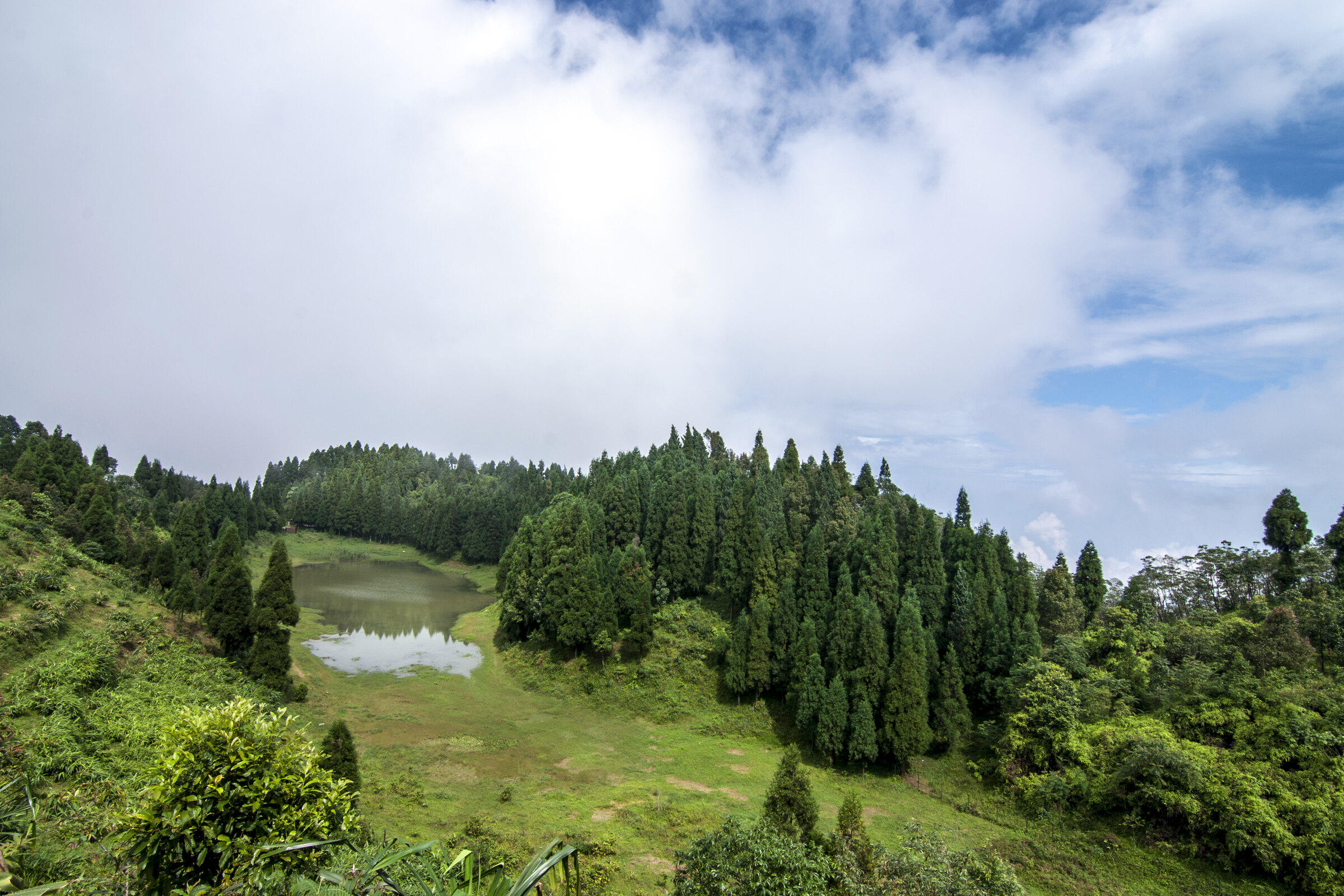
Mahananda is a large and varied forest landscape; choose the access area according to whether your priority is birding, a forest drive or a hill stay.
Trip intelligence / checked August 2026
At a glance
A practical sanctuary guide balancing wildlife expectations, access rules and the best-known forest zones.
- Gateway
- Sukna, near Siliguri
- Best for
- Forest, birds and short escapes
- Essential
- Current entry confirmation
What to expect at Mahananda
Mahananda protects a broad elevation range where the plains meet the Himalayan foothills. Visitors come for forest atmosphere, birdlife and the possibility—not a promise—of wildlife sightings.
Sukna is the best-known gateway, while permitted routes and experiences can vary by season and forest rules.
Wildlife, birds and realistic sightings
Elephants, deer and many bird species use the wider landscape, but dense forest makes sightings unpredictable. Quiet observation, an early start and an authorised guide improve the experience more than chasing a species list.
Entry, season and safety
Check the forest department's current opening status, permit process and allowed route before leaving. Avoid monsoon assumptions, never step out where prohibited and give elephants and other wildlife an absolute right of way.
Plan with live local context
Before you set out
Forest rules, closures and entry arrangements can change. Use authorised access, follow local guidance and never pressure wildlife for photographs.
Mountain-road timing, access rules and fares can change after weather or road work. Reconfirm the final approach with your stay, driver or the relevant local authority shortly before travel.
Frequently asked questions
Is Mahananda Wildlife Sanctuary open all year?+
Forest access may close or change seasonally. Confirm current status with the relevant forest office or authorised operator.
Will I definitely see elephants?+
No wildlife sighting is guaranteed. The sanctuary should be visited for the habitat as a whole, with safe distance maintained at all times.