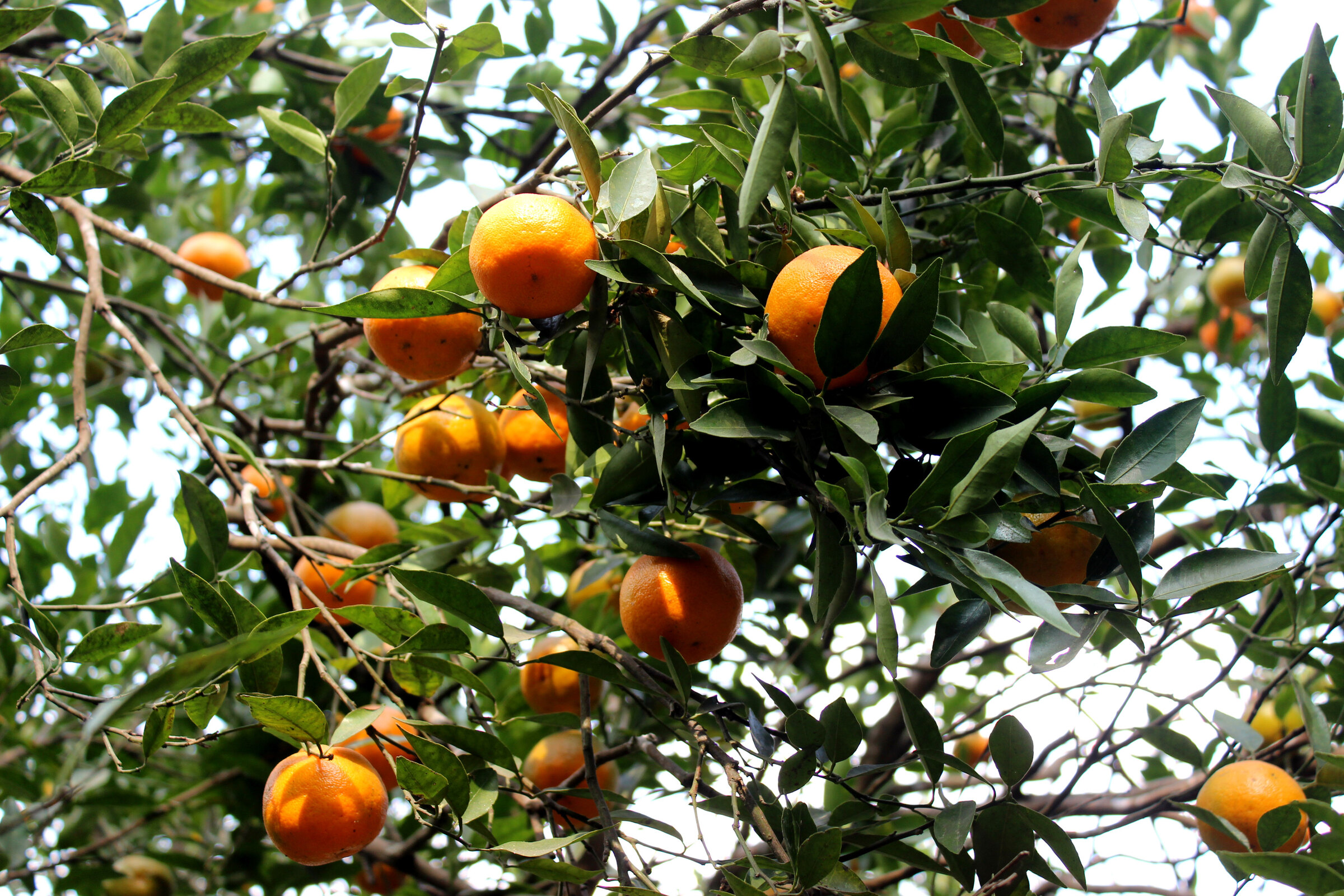
Sittong is a cluster of villages, not one compact town; your experience depends heavily on the exact homestay location and season.
Trip intelligence / checked August 2026
At a glance
A complete Sittong guide covering village geography, seasons, sights, access and stay planning.
- Known for
- Orange villages and quiet hills
- Ideal stay
- 2–3 nights
- Plan around
- Your exact village
First, understand that Sittong is a region
Sittong is a cluster of Upper, Middle and Lower villages rather than one compact hill town. Orchard lanes, viewpoints and approach roads are spread across the landscape, so your homestay location shapes both travel time and daily plan.
What to see and do
Build one local village day and one wider circuit instead of trying to cover everything at once.
- Orchard walk during the appropriate season
- Ahaldara or another clear-day viewpoint
- Village church and local lanes
- Mungpoo, Latpanchar or Jogighat circuit
Best time, stay and arrival
Late autumn and winter suit orange-season searches and clearer skies; spring is mild; monsoon is lush but road-sensitive. Stay two nights, verify meal arrangements and give your driver the exact homestay location before leaving NJP or Siliguri.
Plan with live local context
Before you set out
Ask your host which Sittong village they are in, how far it is from the main viewpoints and whether meals and local transport are included.
Mountain-road timing, access rules and fares can change after weather or road work. Reconfirm the final approach with your stay, driver or the relevant local authority shortly before travel.
Frequently asked questions
What is Sittong famous for?+
It is best known for orange orchards, village stays and its position between Kurseong, Mungpoo and Latpanchar landscapes.
Which part of Sittong should I stay in?+
Choose based on the sights and onward route you want. Ask the host to explain whether the property is in Upper, Middle or Lower Sittong.