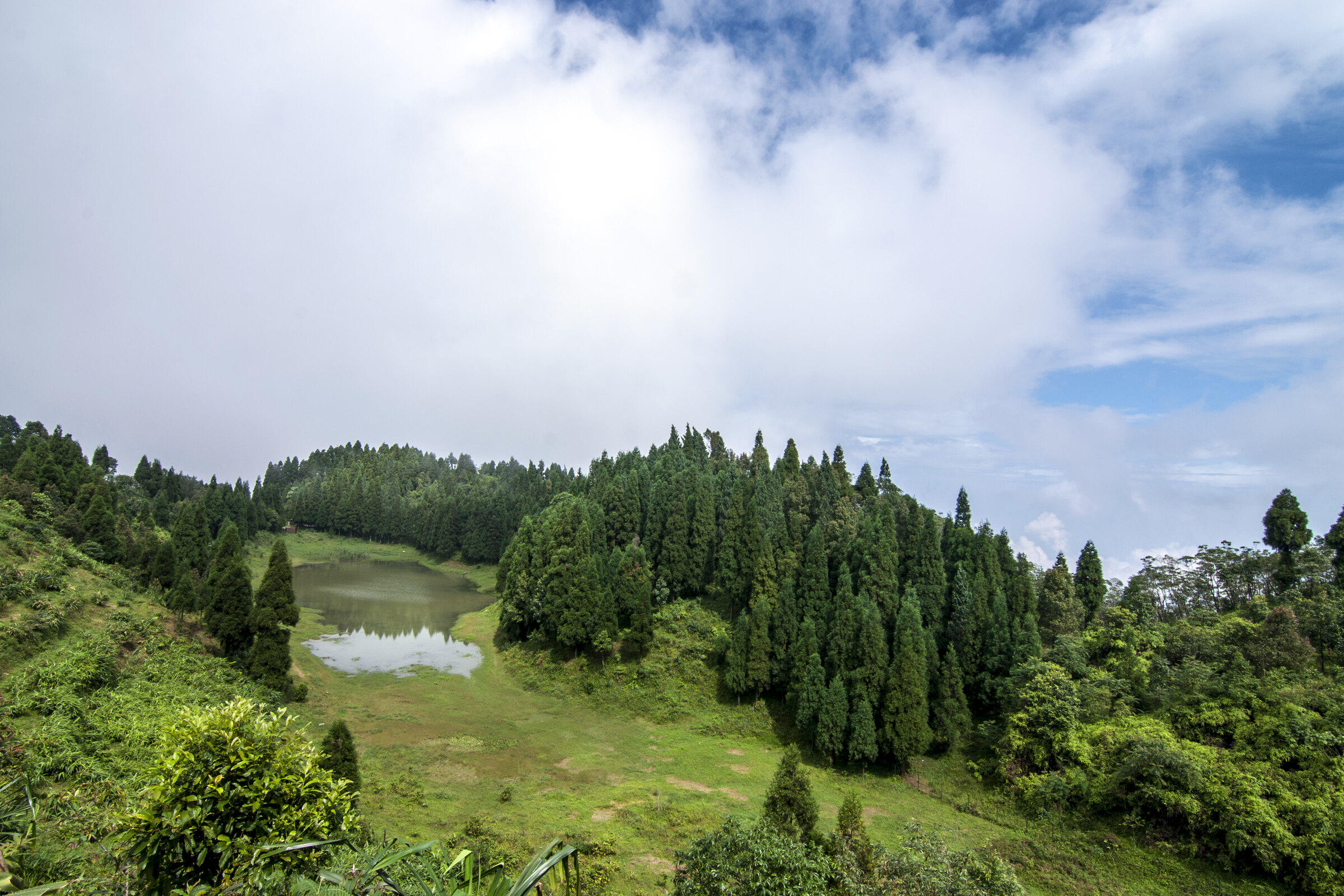
North Bengal birding works best when you choose one habitat cluster—foothill forest, riverine Dooars or mid-elevation hills—and start early with a local guide.
Trip intelligence / checked August 2026
At a glance
A field-oriented birding guide organised by habitat, season, ethics and trip design.
- Why North Bengal
- Plains-to-alpine habitat range
- Strong season
- October–April
- Best investment
- A skilled local guide
Choose hotspots by habitat, not fame
North Bengal rises from Terai grassland and Dooars forest to temperate hills and the Singalila ridge. That elevation range creates very different bird communities.
- Latpanchar and Mahananda for foothill forest
- Dooars forests for hornbills, raptors and mixed woodland birds
- Darjeeling–Senchal belt for temperate species
- Singalila route for high-elevation specialities
When to plan a birding trip
October to April is the broad planning window for many visitors, with winter migrants lower down and changing activity through spring. Monsoon can be productive for calls and breeding behaviour but brings rain, leeches and access disruption.
Gear and ethical fieldcraft
Carry binoculars, a field guide or offline app, muted clothing, rain protection and a notebook. Hire local expertise, keep distance from nests, limit playback, never clear branches for a photograph and share sensitive locations cautiously.
Plan with live local context
Before you set out
Avoid playback and crowding. Wear muted colours, keep distance from nests and accept that patient observation is part of the experience.
Mountain-road timing, access rules and fares can change after weather or road work. Reconfirm the final approach with your stay, driver or the relevant local authority shortly before travel.
Frequently asked questions
Where should a first-time birder go in North Bengal?+
Latpanchar or a well-run Dooars forest base offers accessible habitat and local guides. Choose one area rather than crossing the region every day.
Do I need a telephoto camera?+
No. Binoculars and patient observation are enough to enjoy birding; photography is optional and should never change a bird's behaviour.